 5s
⚡ Generate
AI Porn Generator
The acquisition tool: one fixed signal card, held across a whole series. Standard frames at 6 credits, premium reserved for covers.
Fictional adult characters only. Describe adults 21+ to keep prompts unambiguous.
Start from a ready-made scene
Pick an effect, upload your photo, and the built-in recipe does the rest. Same photo, far more reliable results.
You have been writing prompts by hand. Templates skip all of that — pick a card below, upload your photo, and get the same scene in one click.
5s
⚡ Generate
 NEW IMAGE
⚡ Generate
Bent Over Cum Drip
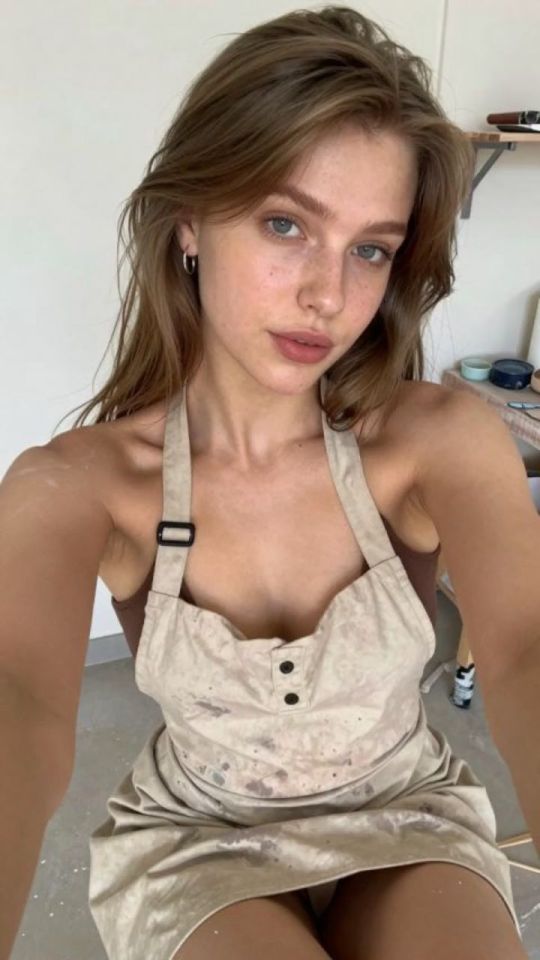
 IMAGE
⚡ Generate
Fucked in a Sex Swing
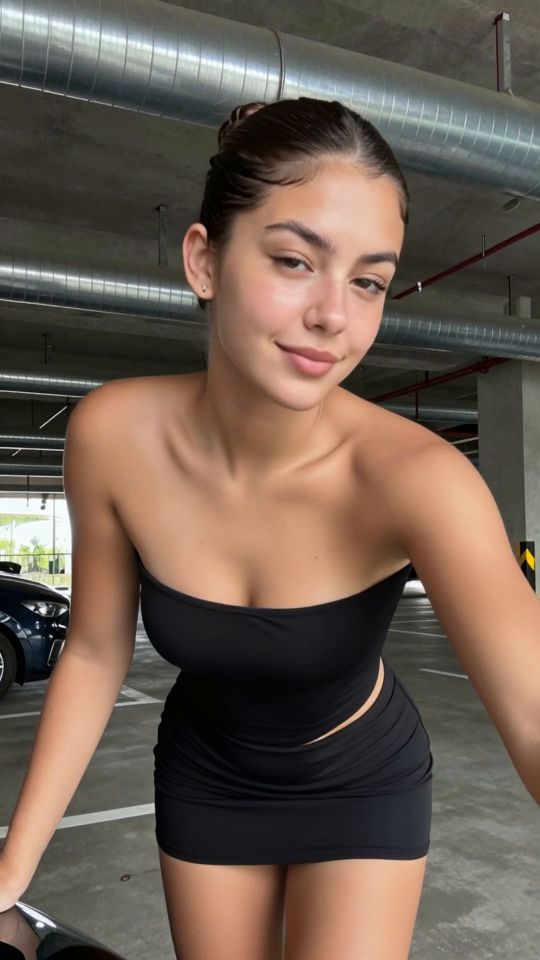
 5s
⚡ Generate
Legs Up Fuck
 NEW 5s
⚡ Generate
Prone, He Fucks Her
 IMAGE
⚡ Generate
Fingers on Her Pussy

 IMAGE
⚡ Generate
You wanna suck my cock?
 5s
⚡ Generate
Hard Doggy Fuck
 5s
⚡ Generate
BBC Doggy Anal
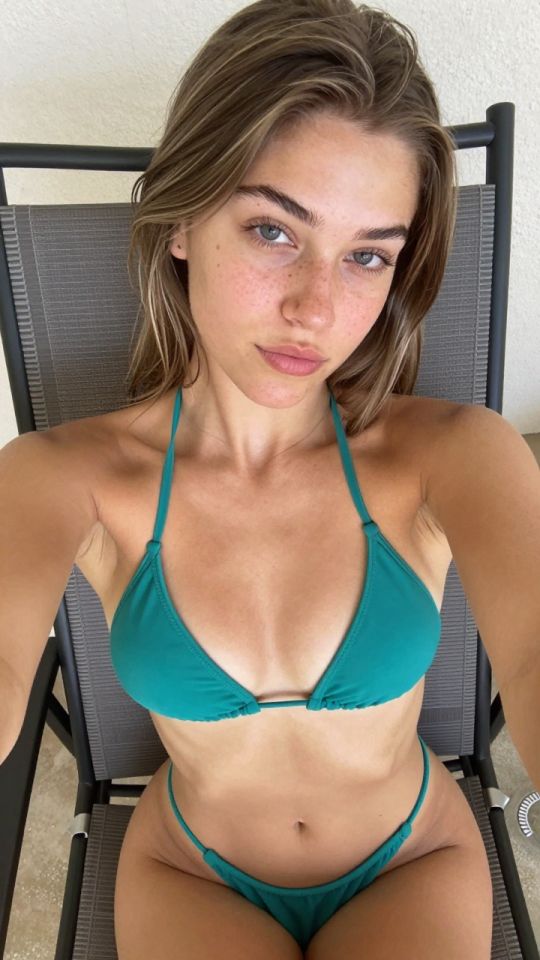
 5s
⚡ Generate
POV Blowjob, Eyes Up
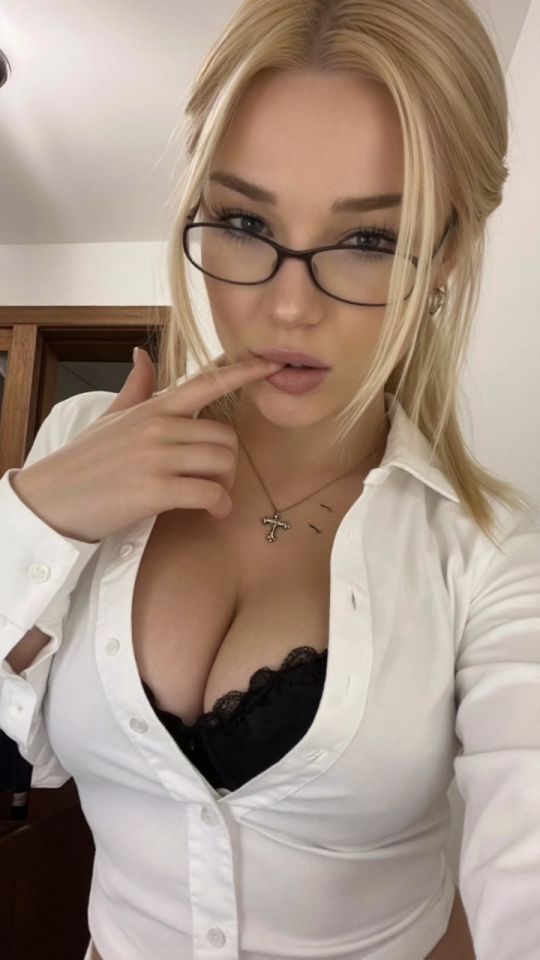
 5s
⚡ Generate
Office Blowjob
 IMAGE
⚡ Generate
She Shows Her Tits
Acquire: pick up the signal
Every set in this studio starts the same way: a fictional adult woman, described once and described precisely, becomes the signal everything else is tracked against. The standard model renders a tall 832×1248 frame for 6 credits; the premium model, at 41 credits, is reserved for the frames that will front a pack or anchor a profile. Between those two costs sits the whole craft of the generator, and it is a tracker’s craft: the character’s description is her signal card, and a signal card is never rewritten from memory halfway through a series.
Write the signal card with five fixed entries, always in the same order: her age as a plain number, 25 or over; her hair — colour, length and one habitual style; her build in two or three words; one or two enduring facial details; and a signature — the mole, the small scar, the ring she never removes — that lets a viewer recognise her even in a tight crop. Paste that card, word for word, at the head of every prompt. Beneath it, a single variable line carries what changes: the outfit, the room, the hour, the light. Hold the card steady and each new frame can be checked honestly against the last; let it drift and no model setting will bring the signal back.
The tracking rhythm
1
Write the signal card once
Concrete entries survive tracking. “Long espresso hair in a sleek low chignon with a tortoiseshell comb” renders the same woman at every job; “stunning hair” is a mood, and moods are reinterpreted at every generation.
2
Change one variable at a time
Track a set in one setting under one light, then move a single variable onward. A series is built from deliberate single changes, not from re-rolling a prompt and hoping the signal holds.
3
Keep the best third of the trace
Generate generously at the standard cost, then cull hard against the signal card. Edits, swaps and upscales are finishing costs — spend them only on frames that held.
Where the frames go
Feeds
A week of frames, tracked in one sitting
Brief seven frames of one character in one session, and the feed never waits on inspiration mid-week.
Stores
Cover frames and previews
The frame at the front of a pack, made to the same signal as the set inside it.
Onward
First frames for video
Stills composed with room to move — space around the subject, a direction left open — ready for the video tool.
Two readings of one signal
Signal card, then the variable
“Fictional 34-year-old woman, long glossy espresso hair in a sleek low chignon secured with a tortoiseshell comb, warm tan skin, a small mole at the left corner of her mouth; wine-red satin balconette lingerie set with gold lace trim and a sheer charcoal robe slipped off one shoulder, standing in a charcoal-dark wood-panelled private screening room with a softly glowing gold-framed screen behind her, editorial photograph.”
Everything before the semicolon is the signal card — it never changes. The variable after it is the only thing tracked as new in this frame.
Same signal, plainer reading
“Fictional 34-year-old woman, long glossy espresso hair in a sleek low chignon secured with a tortoiseshell comb, warm tan skin, a small mole at the left corner of her mouth; the same wine-red satin set, standing against a plain charcoal studio wall, one shaft of evening light from the left, editorial photograph.”
A bare backdrop is the honest test of a signal card. If she is still herself against a blank wall, the card is sound and the trace can be trusted.
Standard and premium readings
| Setting | Standard model | Premium model |
|---|---|---|
| Cost | 6 credits | 41 credits |
| Kept for | Series work, daily frames, volume | Covers, hero frames, the one image everyone sees first |
| Method | Generate many, keep few | Brief slowly, generate few |
Where the signal is lost
| Symptom | Cause | Correction |
|---|---|---|
| The character changes between frames | The signal card was rewritten from memory | Paste the same card every time; vary only the line below it |
| The frame feels crowded and untrackable | Too many objects and actions in one brief | One place, one action, one light source per job |
| Hands and small props break | Hands asked to hold fine detail | Rest the hands, or crop the frame at the waist |
Can I generate anything for free?
Yes. Registration is free, and the daily check-in gives you 6 credits — exactly the cost of one standard frame. That is one fresh frame on your signal every day, for as long as you keep checking in. Credit packs are there for the days when the workload runs longer.
How much does a frame cost?
A standard frame costs 6 credits, shown before you confirm the job. The premium model costs 41 credits and is best kept for covers and hero frames rather than daily series work.
How do I keep the same character across a whole series?
Write her signal card once — age, hair, build, face, signature — and paste it unchanged at the top of every prompt. Change only the outfit, the setting and the light in the variable line below it, and check each result against the card.
Are my frames public?
No. Frames rest private in your account. Only what you deliberately publish appears in the gallery, and unpublishing takes effect immediately.
What size do frames arrive at?
A tall 832×1248 portrait frame, ready for feeds and stores. When a destination demands more, the image upscaler at the end of the desk is the finishing tool.
One account, every tool in the chain
Drafts, edits, animation and finishing share one credit balance and one private library. Start with the piece you need today.
Open the generator
18+ only. All characters depicted are fictional adults. Only upload or transform media you own or have documented consent to use. Content involving minors or non-consensual imagery is prohibited and removed. © 2026 Web3Tracker.